From mentoring young people in STEM career pathways to delivering hands-on learning experiences, tech companies are ensuring that students of all ages and backgrounds can access the skills they need to thrive in the future workforce. Learn how tech is empowering the next generation of STEM learners in this week’s Tech at Work.
This edition also takes a closer look at how responsible data center development is strengthening communities by supporting energy infrastructure, conserving water, spurring investment, and taking local input seriously.
How Tech Is Empowering STEM Education and New Info on Data Centers
Amazon Web Services is working(opens in new tab) with the nonprofit Black Girls Do Engineer to bring virtual STEM education directly to the girls they serve.
Comcast connects(opens in new tab) thousands of students with digital learning opportunities that help them gain the skills and access they need to succeed in school and prepare for future careers.
Dell Technologies’ STEM Aspire mentorship program is helping(opens in new tab) future software engineers launch their career trajectories.
Deloitte expanded(opens in new tab) the Deloitte Believers Program, a workforce development initiative designed to equip students with industry-relevant STEM skills.
Mastercard’s Kids4Tech program inspires(opens in new tab) students to build technology skills that will help them become leaders of tomorrow.
In Missouri, Nebius offers(opens in new tab) STEM and AI literacy opportunities for students and teachers.
Salesforce announced(opens in new tab) $27 million in new education grants nationwide to strengthen students’ STEM skills, career readiness, and more.
Samsung released(opens in new tab) a free, ready-to-teach AI curriculum that addresses demand from teachers for additional support on using AI in the classroom.
TSMC hosted(opens in new tab) immersive, hands-on activities to introduce kids from local Boys & Girls Clubs to the world of STEM careers, from exploring the science of semiconductors to discovering how technology shapes our daily lives.
Verizon’s Innovative Learning HQ provides(opens in new tab) tools and content to teach students, educators, administrators, and parents STEM and associated skills.
Zoom is equipping(opens in new tab) students and educators with opportunities to build skills through new investments in AI and education programs.
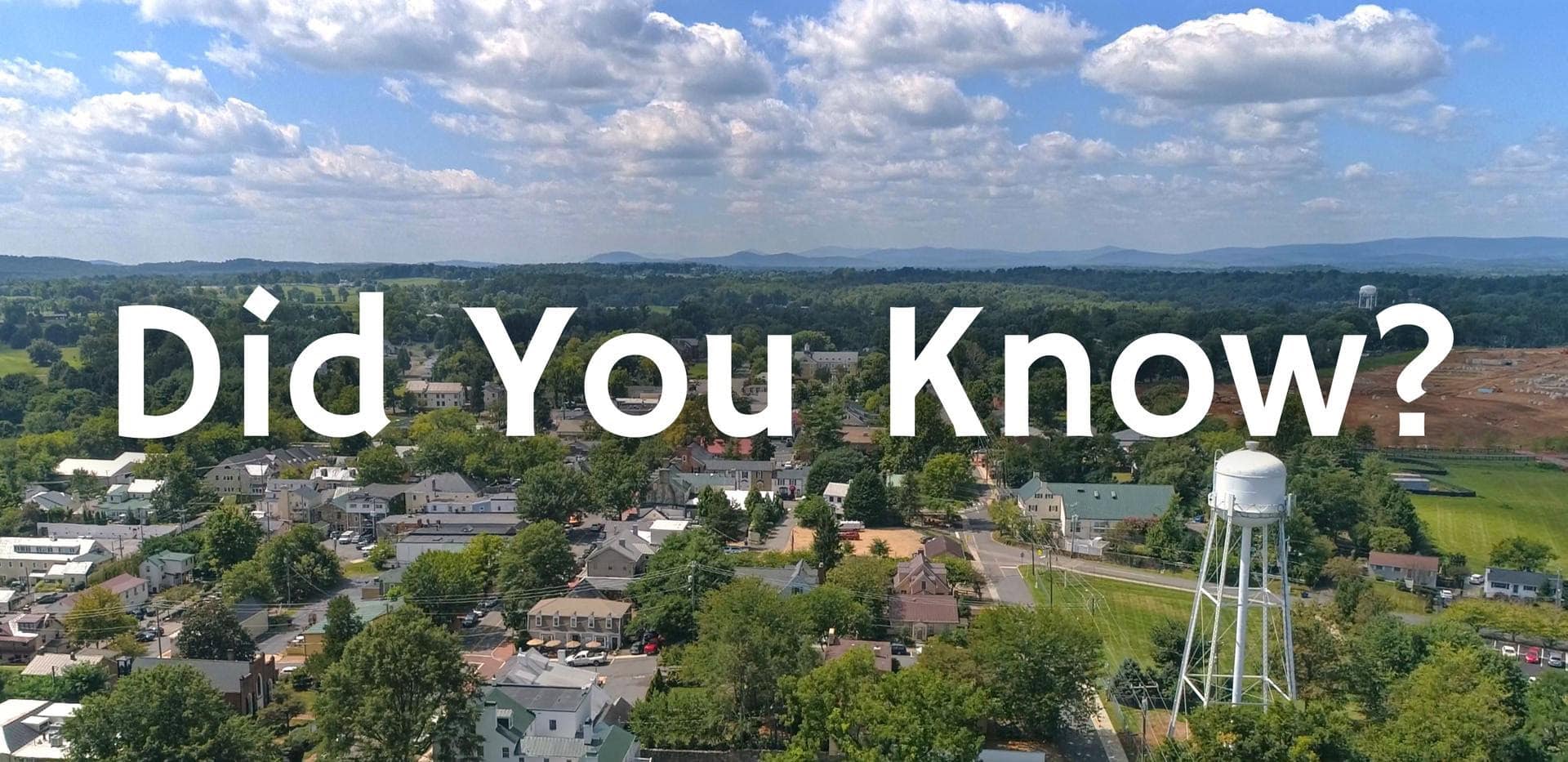
As attention on data center development continues to grow across the country, what is often lost in the debate is how developers are addressing concerns head on and the ways in which responsible data center development can strengthen communities.
So let’s dig into that.
TechNet’s members are demonstrating a commitment to responsible data center development. Not only have they committed to paying their own way for their electricity to ensure consumers do not foot the bill, they are bringing additional energy capacity online, strengthening local transmission networks, investing in water sustainability, stimulating local economies, and more.
How?
- Building energy infrastructure and making commitments that are actually lowering consumer energy costs. See Amazon’s(opens in new tab) effort that will save Northern Indiana ratepayers $1 billion over 15 years, Meta’s(opens in new tab) construction of a solar energy plant in Texas, and Google’s(opens in new tab) creation of a $20 million fund to help reduce Missouri ratepayers’ utility bills.
- Innovating to conserve water. While the water usage of data centers has been vastly overstated — consuming less(opens in new tab) than residential lawn irrigation, golf courses, and the agriculture industry — innovative “closed-loop” systems that recirculate a fixed volume of water have become the cooling method of choice(opens in new tab) for new data center projects because they require a fraction of the water that a traditional “evaporative” system uses.
- Spurring transformative community investment. Data center construction is driving record demand(opens in new tab) for skilled trades workers, while tax revenue that localities collect from data center operators is revitalizing towns. The money is going toward new public facilities, teacher bonuses(opens in new tab), and residential property tax relief(opens in new tab), to name a few examples.
- Taking community input seriously. OpenAI(opens in new tab) is actively seeking feedback from a Georgia community on how they should direct $80 million to advance local priorities as the company develops a data center in the Southeastern part of the state.
The bottom line: Any major economic development project should prompt communities to ask how it will impact quality of life, and what’s in it for them. As these responsible development practices show, there is real upside: better infrastructure, new jobs, and more tax revenue to improve local public services.
Tech Spotlight
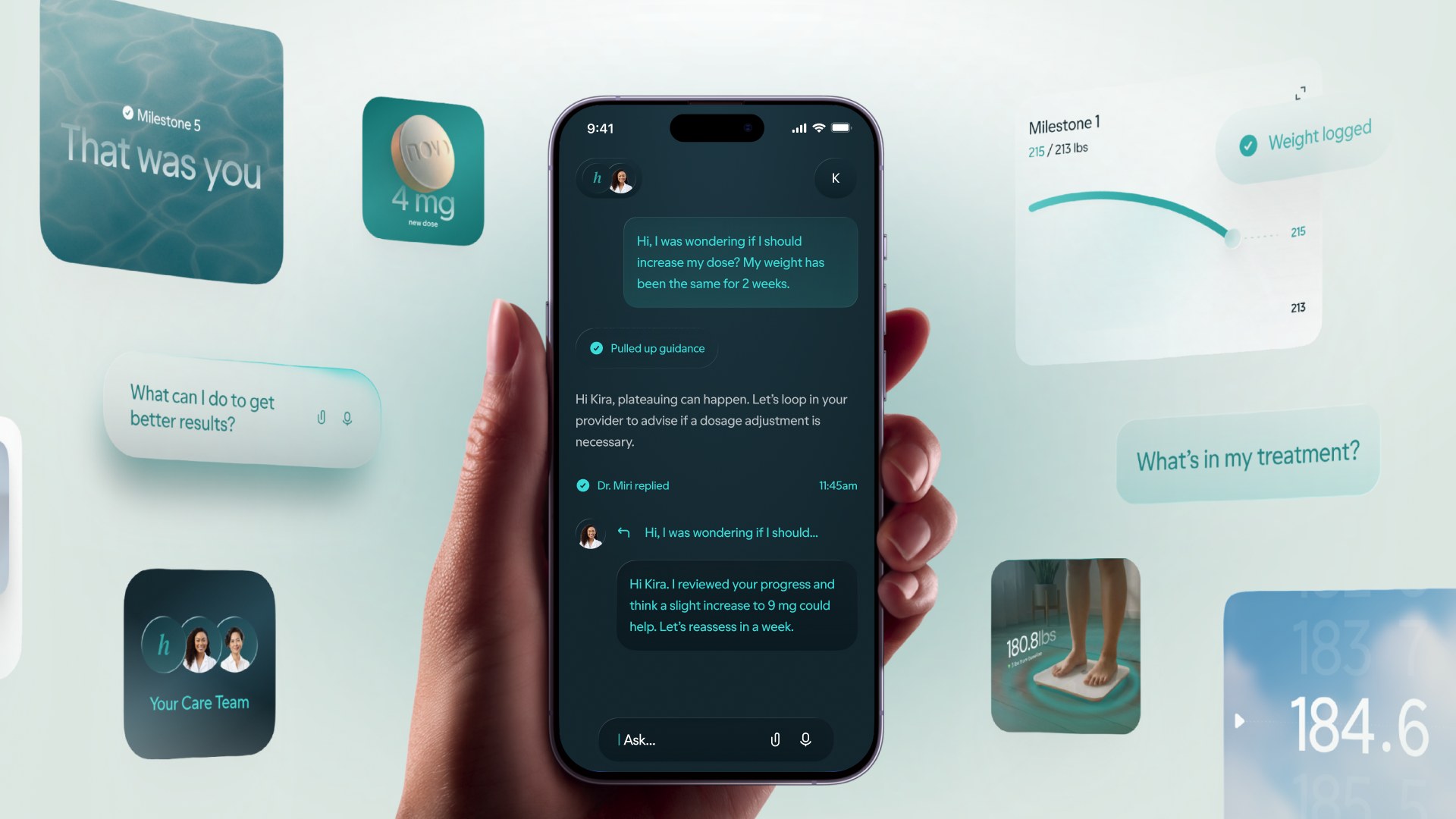
Hims & Hers introduced a new Hers app that puts women in one continuous conversation with their providers, care teams, and AI. The experience delivers personalized guidance, real-time attention to progress, and support on nutrition, sleep, and lifestyle along the way. For healthcare providers, AI surfaces patient context, medication history, and care details so they can focus on practicing judgment, navigating complexity, prescribing medication, and treating the patient in front of them.
Learn more.(opens in new tab)