From emergency relief and recovery efforts to AI-powered forecasting and tools that help people navigate dangerous conditions, technology is supporting communities before, during, and after natural disasters. Learn how tech is helping us stay safe during severe weather in this week’s Tech at Work.
How Tech is Helping Us Stay Safe During Severe Weather
Airbnb offered(opens in new tab) free emergency housing to people displaced by wildfires in Washington state.
Amazon is supporting(opens in new tab) nonprofits on the ground and delivering relief supplies after earthquakes hit northern Venezuela.
The Aurora Driver is able(opens in new tab) to navigate complex roads during variable weather conditions with precision.
Comcast is funding(opens in new tab) immediate disaster relief in Washington, including food, emergency shelter, and long-term recovery.
Dell Technologies’ solutions are being used(opens in new tab) to modernize infrastructure and strengthen resilience against severe weather in Lafayette Parish.
DoorDash provided(opens in new tab) $50,000 in grants through its Local Business Disaster Relief Fund to support those impacted by the Washington wildfires.
Google’s WeatherNext 2 AI model demonstrated(opens in new tab) a massive leap forward in predicting cyclones and is being released as open-source software to build climate resilience worldwide.
Meta is partnering(opens in new tab) with Carnegie Mellon to develop dynamic situation reports to let first responders better address natural disasters like wildfires, hurricanes, and severe winter storms.
NVIDIA-backed startups turn(opens in new tab) sensors, satellites, and advanced models into early warning systems for some of the hardest problems to solve, like wildfire detection.
Samsara’s live visibility technology and real-time data allow(opens in new tab) drivers to safely navigate toward their destination during storms.
Uber activates(opens in new tab) its disaster relief efforts to help people impacted reach shelters, healthcare, and essential resources.
Verizon unveiled(opens in new tab) Digital Twin technology and an expanded satellite fleet in preparation for the 2026 hurricane season.
New in Tech
Block Releases the Open-Source Desktop Application Berd(opens in new tab)
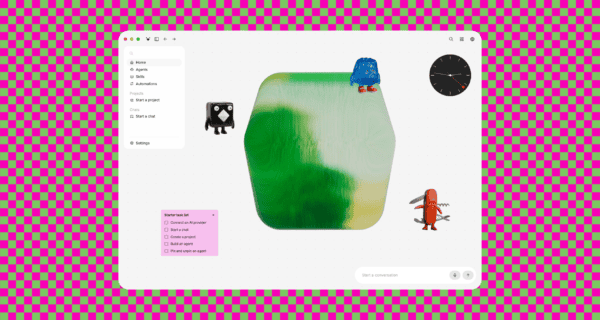
Block made Berd, a desktop application its teams use to work with AI agents across projects, skills, tools, and models, publicly available. Berd gives teams one application for working across models by bringing conversations, files, instructions, and agents together around persistent projects. To help people build and share agents, Block designed collections of animated characters that people can use as a recognizable visual identity for each agent. Just by chatting with Berd, users can easily create custom agents to do any task they want, even everyday tasks like planning travel or shopping.
Learn more.(opens in new tab)
Tech Spotlight
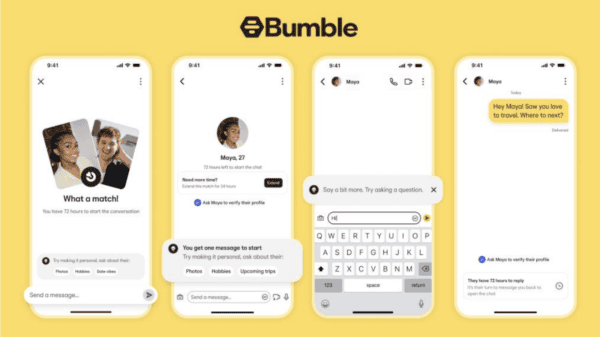
Bumble unveiled an update to its conversational experience that introduces a more flexible way for connections to begin and encourages more thoughtful messaging habits. Now, anyone in a match can send the first message, and recipients have more time to respond, giving members greater opportunity to start conversations at their own pace. This structured experience supports Bumble’s community in being more intentional by only allowing one initial message to be sent to make a first impression.
Learn more.(opens in new tab)