
Technology is improving how Americans experience healthcare. Across the health ecosystem, companies are using AI and digital tools to simplify access, reduce administrative burdens, and support better outcomes for patients and providers alike. Explore how tech is making healthcare more accessible in this week’s Tech at Work.
How Tech is Making Healthcare More Accessible
Accenture is creating a single, seamless, and secure lifetime health record for service members as they transition from active duty to Veteran status.
Amazon launched Health AI, a personalized health agent that answers questions, explains health records, manages prescription renewals, books appointments, and more.
CLEAR partnered with Ochsner Health to improve healthcare experiences across the Gulf South.
Garmin launched a product integration with Natural Cycles, the first and only FDA-cleared app for birth control on the market.
Google is partnering with the Johnson & Johnson Foundation to train U.S. rural healthcare workers in AI to reduce administrative burdens and return the focus to patient care.
Hims & Hers is building AI that makes care easier, simpler, and smarter by integrating intelligence across the full care experience.
Meta collaborated with over 1,000 physicians to curate training data for its model Muse Spark, generating interactive displays with health information such as nutritional content of various foods and muscles activated during exercise.
Ro shared one member’s journey from starting GLP-1 treatment to finishing her first marathon.
Samsung is tackling sleep apnea by turning invisible signs of the condition into actionable insights through the Galaxy Watch series.
Teladoc’s BetterHelp donated tens of thousands of hours of therapy during this year’s March Madness campaign, “Mind over Madness.”
UnitedHealth Group introduced Avery, an AI companion that creates a simpler, more coordinated healthcare experience for members.
New in Tech
Waymo Partners with Waze to Help Cities Patch Their Potholes

Waymo announced a new pilot with Waze to provide cities with sharper tools to combat a common road enemy: potholes. The pilot program uses Waymo’s perception and physical feedback systems to detect and provide up-to-date information on potholes where Waymo operates, keeping road users safe by alerting them as they approach a pothole. The program, based on feedback gathered from city officials over the years, is intended to help fill reporting gaps and support cities’ efforts to maintain safer streets.
Tech Spotlight
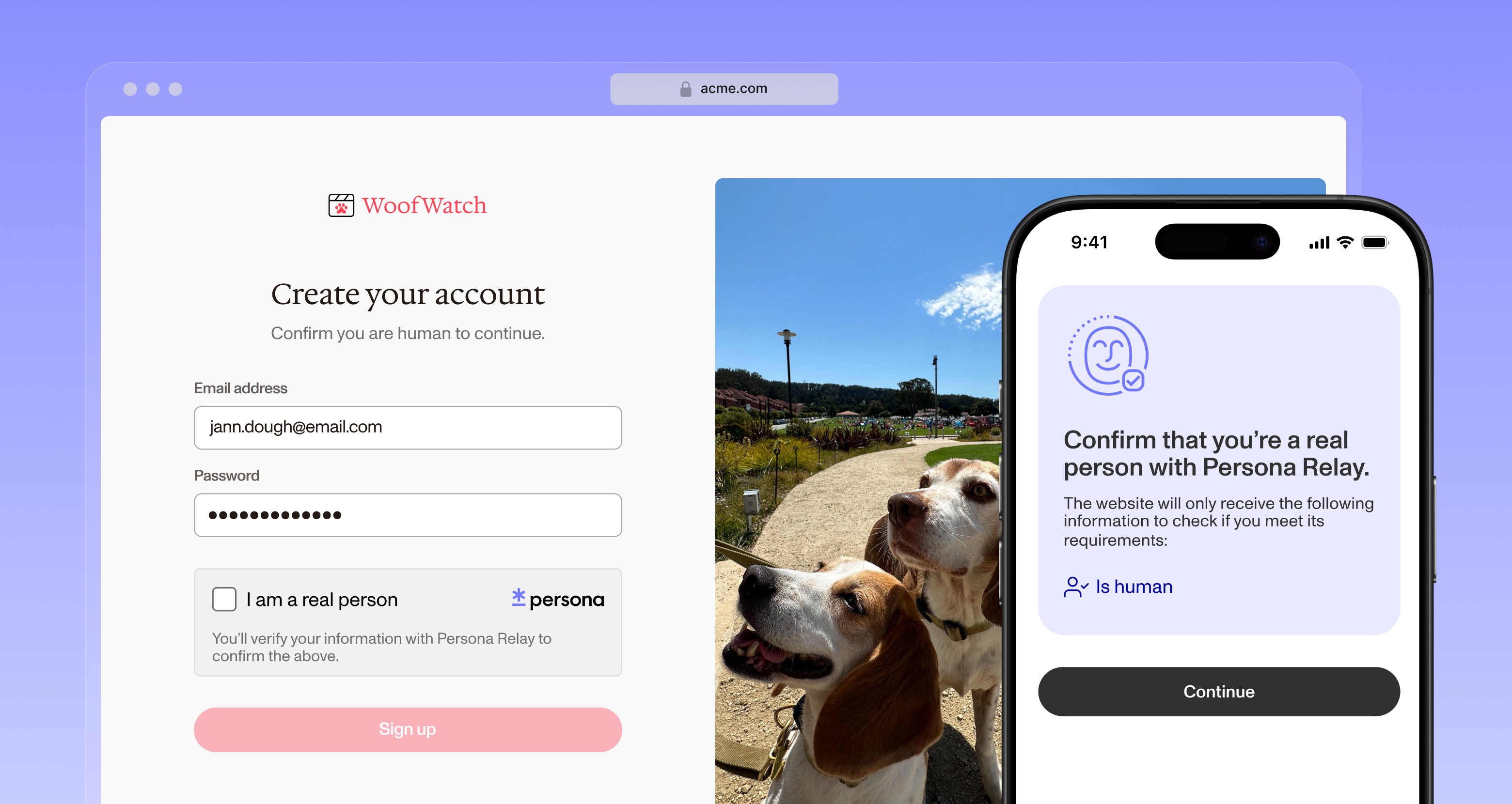
Persona announced the launch of Relay, a privacy-preserving approach to verification. With Relay, users can confirm their identity without worrying about handing over sensitive information like web activity. Instead of collecting identity data and passing it between systems, Relay enforces privacy with double-blind verification. As a result, no single system, Persona or the organization using Relay, has access to both a user’s identity and what they’re doing.